Resilience & availability
Geo-redundancy – separate paths, fewer shared risks
For internet connections, geo-redundancy aims to use geographically separated transmission paths to reduce shared outage risks. What matters is the actual routing and access infrastructure – not just having two providers or different technologies.
Definition: Geo-redundancy generally means providing redundant IT resources at geographically separated sites, for example in different data centres. For internet connections, this article focuses on the geographical separation of transmission paths and the areas in which outages can affect them. This can reduce shared risks, but does not remove every dependency.
More than just two connections
Two usable internet connections can provide redundancy. Geo-redundancy also requires examining the geographical areas in which outages could affect them: do they share cable routes, access infrastructure or equipment at the same site? Different providers and technologies alone do not prove complete separation. Combining a terrestrial connection with a satellite connection via a LEO satellite constellation can reduce dependence on local cable routes and mobile network cells. During a power outage, however, the terminal, router and the required local network need a working backup power supply. Shared equipment and site risks remain; the remaining connection must also be usable.
Geo-redundancy and the availability objective
Geo-redundancy can contribute technically to the availability objective. Section 30 of the German BSI Act (BSIG) requires essential and important entities to implement appropriate, proportionate and effective technical and organisational risk-management measures, including business continuity and recovery after an emergency. The measures required depend on whether the organisation is legally in scope and on its specific risk assessment. A geo-redundant internet connection alone does not demonstrate compliance with all requirements. Air-gapping is a different concept: it describes the isolation of a system or network, not two active internet connections.
In practice at wirelessmaxx
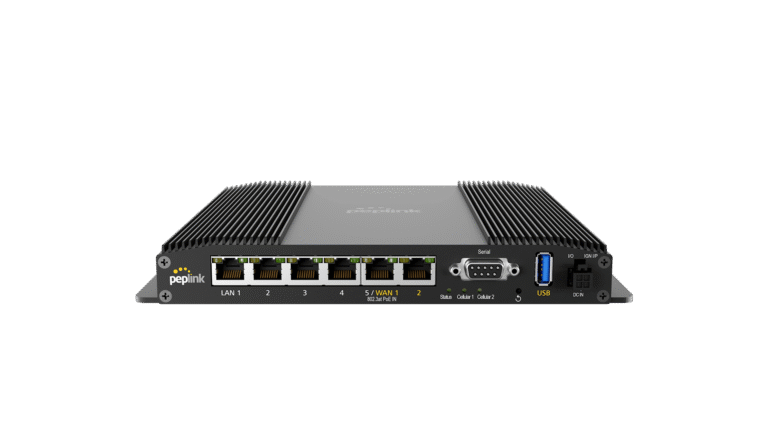
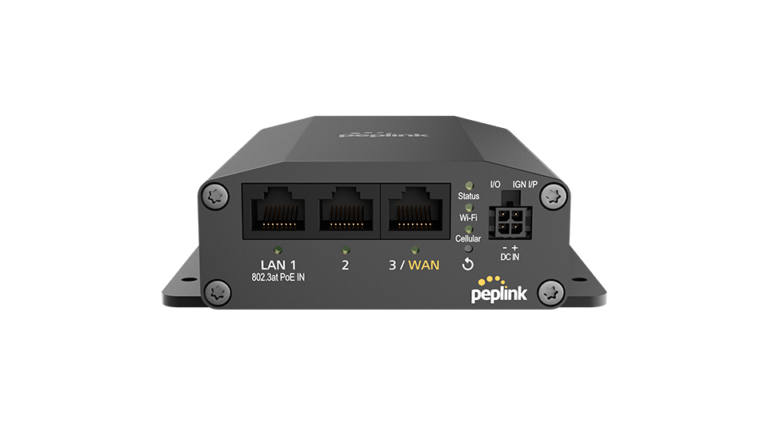
wirelessmaxx combines Starlink with a fixed-line or 5G connection using Peplink – as a project for customer-managed operation or as a supported connectivity solution with connecting.works GO. The actual geographical separation and shared dependencies are considered for the specific deployment. Failover requires a usable remaining connection and an appropriate configuration; SpeedFusion bonding also needs a reachable endpoint and the required feature entitlements. Starlink terminals are offered only with a service plan and service; the scope of support is agreed for the solution. More on practical use: Starlink Business Germany. Further reading: Redundant internet connection.