Peplink / SpeedFusion / Bonding
Load Balancing – Distribute loads, rather than combine them
Load balancing distributes traffic across multiple internet connections to make better use of their combined capacity, while each individual session uses just one connection.
Definition: A method that distributes traffic across multiple internet connections to make use of their combined capacity. Unlike bonding, each individual session uses only one connection.
How it differs from bonding
Load balancing distributes different sessions across different connections – one video conference might use the fixed-line connection, while a download uses the mobile connection. If a connection fails, sessions using it may drop; sessions on connections that are still functioning are not directly affected. Bonding by contrast, can combine multiple connections for a single session. An appropriately configured SpeedFusion solution with Hot Failover can continue existing sessions over the remaining functioning connections if one connection fails. This requires a reachable remote endpoint and sufficient capacity on the remaining connection; it is not possible if all connection paths or the power supply fail.
When load balancing makes sense
Load balancing is well suited to scaling bandwidth and distributing loads, but on its own does not ensure that individual critical sessions remain available without dropping. For applications where availability is critical, it can be combined with Failover or a bonding/SpeedFusion solution. Conventional failover enables a switch between connections, but does not guarantee uninterrupted continuation of active sessions.
In practice at wirelessmaxx
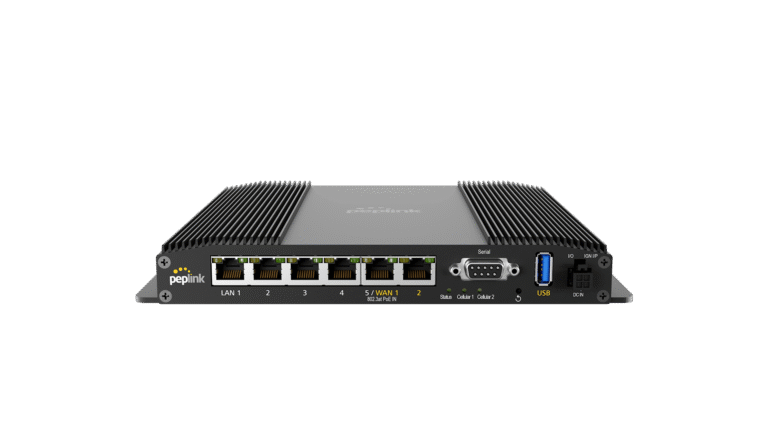
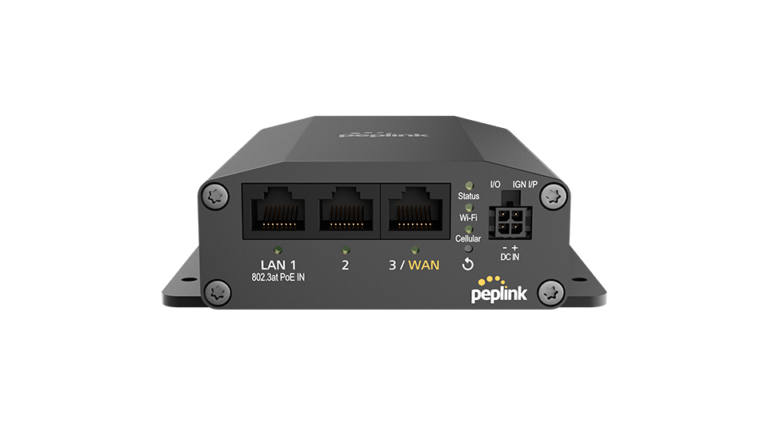
Depending on the model, firmware, enabled functions and, where applicable, licence or service, Peplink routers support load balancing, failover and SpeedFusion bonding. SpeedFusion requires a suitable, reachable remote endpoint, such as a compatible Peplink router or FusionHub. Selection and configuration depend on the applications and available internet connections. Further reading: Multi-WAN router, Failover vs. Bonding.