Peplink & Network Hardware
Multi-WAN Routers – the hardware foundation for connection resilience
A multi-WAN router manages at least two internet connections – for example, fixed-line, mobile or satellite. Depending on the model and configuration, it uses them for failover, load balancing or bonding.
2+
WANs depending on model
IP
depends on connection design
Definition: A multi-WAN router is a network device that can manage at least two internet connections (WANs). Which methods – failover, load balancing or bonding – are available depends on the device and configuration.
Failover, load balancing and bonding compared
Failover switches to an available backup connection in the event of a fault; existing sessions may disconnect in the process. Load balancing distributes individual connections across multiple WANs, but does not automatically combine their bandwidth for a single session. Bonding distributes data packets across multiple links in a tunnel to a suitable remote endpoint and can therefore also increase the bandwidth available to a session. Not every multi-WAN router supports all three methods. Which functions are available depends on the model, any required feature activation and the configuration.
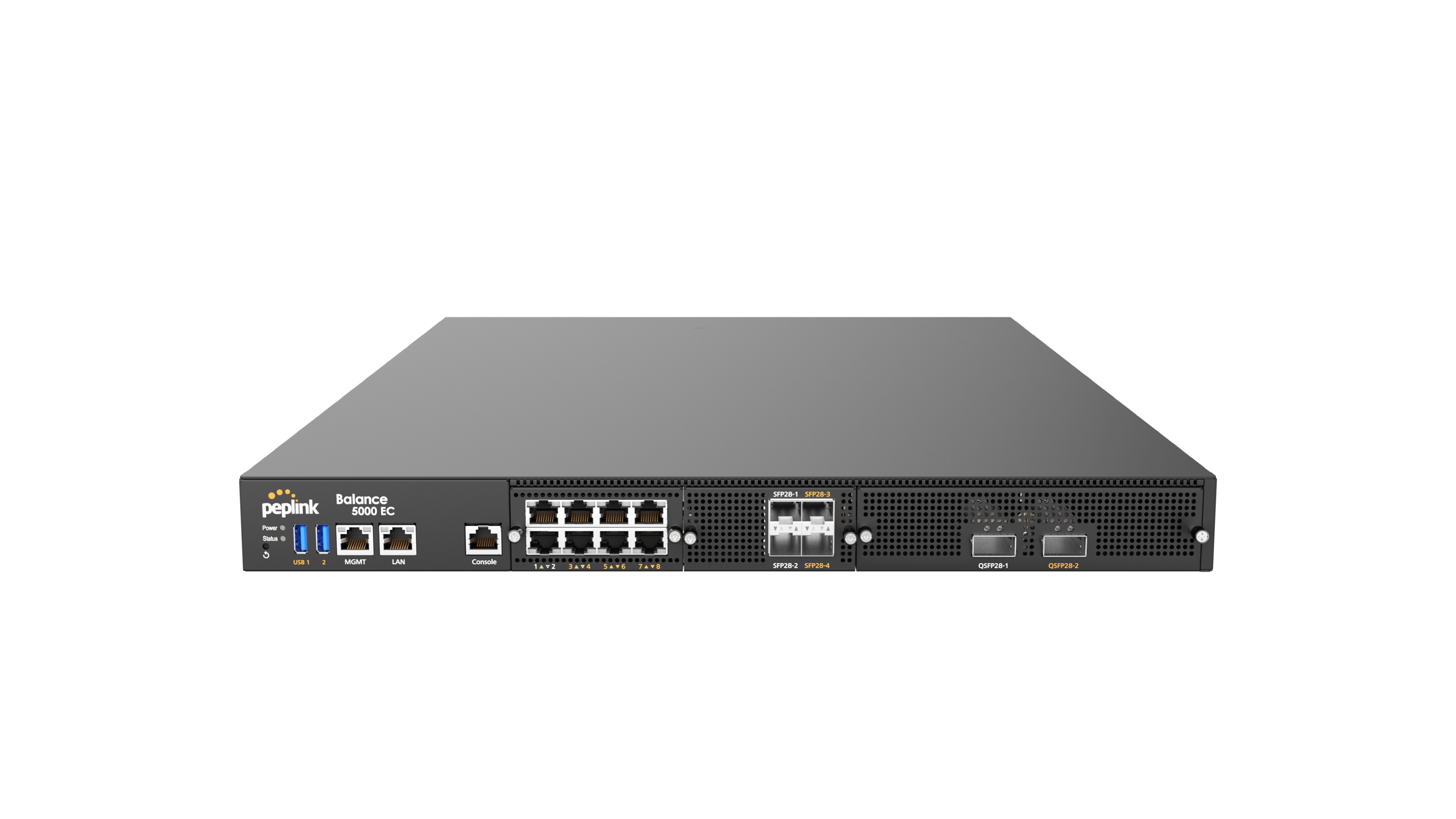
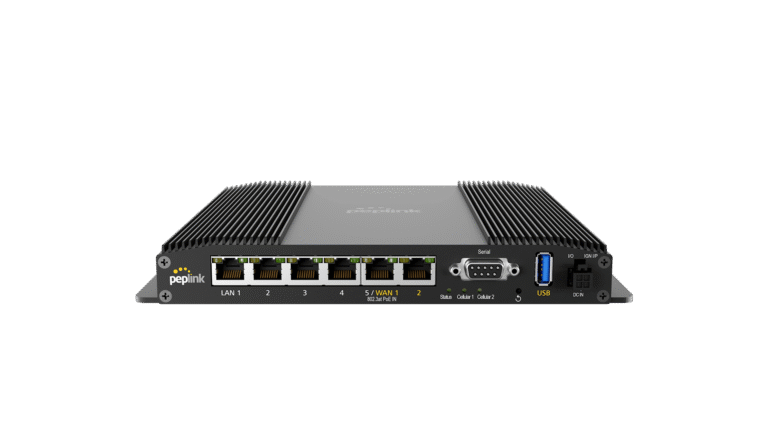
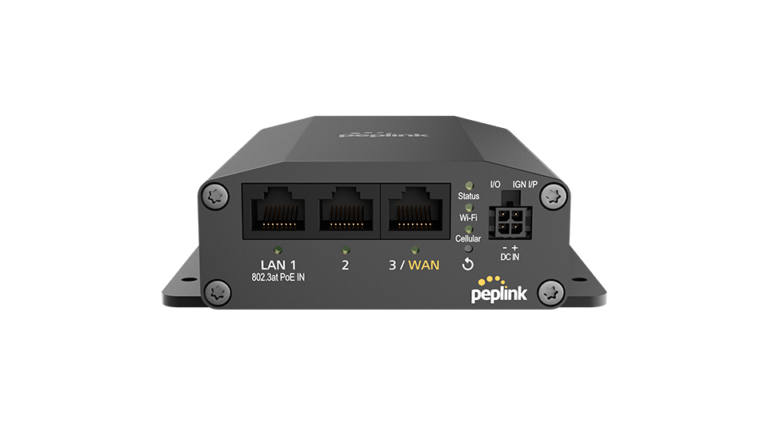
Why Peplink
SpeedFusion-capable Peplink routers can connect multiple WANs through a tunnel to a suitable remote endpoint, such as another Peplink router, FusionHub or SpeedFusion Connect. Licences, tariffs and configuration must cover the required functions. Hot Failover can preserve sessions if a WAN fails, provided a suitable connection path and the remote endpoint remain reachable. Routers and connections also require power; this does not prevent all paths from failing. A static public IP address is not a standard router feature and must be planned separately as part of the connection or remote endpoint setup. Different product ranges cater for different requirements – from compact devices to powerful models for demanding sites.