Resilience & Backup Internet
Redundant Internet Connectivity – independent paths to reduce outages
A redundant internet connection uses at least two internet access connections that are as independent as possible to reduce the risk of outages. If one connection fails, an available backup path can take over. Whether and how quickly operations continue depends on the switchover, the applications and the remaining connection.
Risk
reduce, not guarantee
Definition: Network architecture with at least two internet access connections that are as independent as possible to reduce the risk of outages. Separate routes and infrastructure reduce shared causes of failure; different access technologies can further improve independence. This does not guarantee uninterrupted operation.
Independence Is What Matters
Two fixed-line connections that run through the same cable duct or use shared distribution points can fail due to the same excavator damage or a fault in the shared infrastructure. Different providers alone do not demonstrate separate paths. Routes, upstream infrastructure and power supply should therefore be assessed. A second access technology such as mobile or satellite can reduce shared dependencies, but does not replace this assessment. Shared routers and the local power supply also remain potential points of failure.
Redundancy and geo-redundancy
Redundant connectivity combines multiple connections with a suitable switchover mechanism. Automatic WAN failover monitors the connections and redirects traffic to an available backup path when a failure is detected. With conventional failover, ongoing sessions may be interrupted and may need to be re-established. Geo-redundancy also considers geographically separate sites or failure domains. Two separate cable routes at a single site do not, on their own, provide geographical protection. The required separation is determined by the risk analysis. § 30(1) and (2), point 3, BSIG requires essential and important entities to implement appropriate, proportionate and effective risk management measures, including business continuity. The provision does not establish a blanket geo-redundancy standard for every internet connection. Whether the legal requirements apply must be assessed separately based on the activity, applicable rules and, where relevant, thresholds; a redundant connection alone does not demonstrate NIS2 compliance.
Redundant connections with connecting.works GO
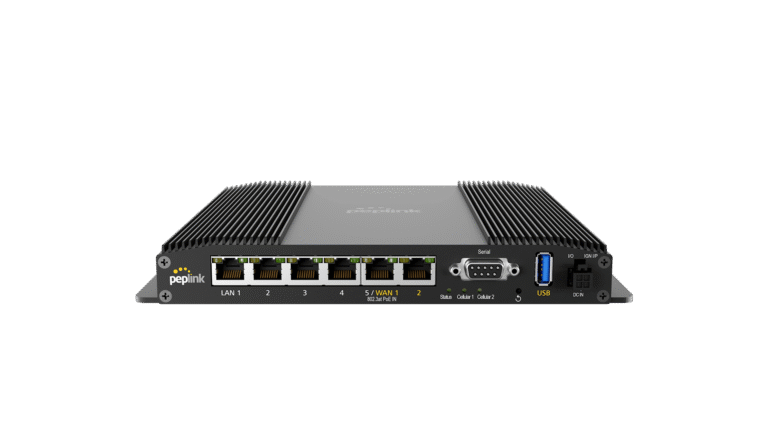
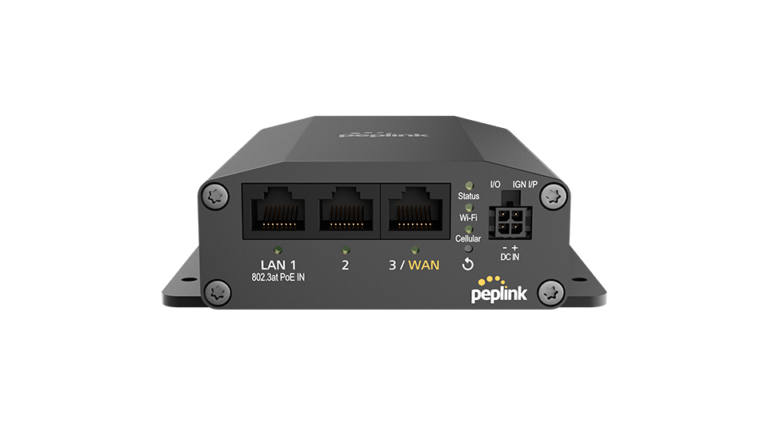
During Connection advice with connecting.works GO access paths, applications and network integration are considered together. One possible architecture combines a terrestrial connection with Starlink and Peplink. Starlink terminals are only offered with a suitable tariff and service. SpeedFusion bonding or Hot Failover requires suitable Peplink devices, the necessary functions and a reachable remote tunnel endpoint. Session continuity and remaining capacity must be assessed for the specific setup; a usable connection path and power supply remain necessary. Critical applications should be tested in the planned failure scenario. wirelessmaxx supports precautionary connectivity and resilience needs, for example for hospitals, utility companies and the energy sector. Its sister company Hypria is intended to serve operational needs of fire services, THW and other aid and emergency response organisations. This division is not an official KRITIS classification or a statutory protection priority. Further reading: Backup internet and Multi-WAN Bonding (SpeedFusion).