We use cookies to ensure that we give you the best experience on our website.
PEPLINK · BRIEFLY EXPLAINED
What does SpeedFusion do?
SpeedFusion uses several suitable internet connections within a shared VPN tunnel. The three functions serve different purposes:
Bandwidth Bonding – use the bandwidth of multiple WAN connections for a shared data stream.
WAN Smoothing – send redundant packets to reduce the effects of packet loss and jitter. This requires additional bandwidth.
Hot Failover – preserve ongoing sessions through the remaining tunnel paths when a connection fails.
This requires compatible routers, a reachable endpoint, suitable WAN connections and the required features or licences. Uninterrupted availability is not guaranteed.
A separate management connection can support administration when the production network fails. The Starlink example requires a separate access path, power, satellite reception and an active plan with service.
Path separation
separate management access
Incident response
analysis and recovery
NIS-2
risk-based planning
Definition: Out-of-Band Management (OOBM) uses a management channel separate from the production network. It can provide access to management interfaces or consoles when normal in-band access is disrupted, provided the required devices and the separate path continue to work.
The problem
Risk of losing administrative access
In network administration, “in-band management” means accessing network equipment through the normal production network. An outage, DDoS attack or serious configuration error can block this access path as well. Without working separate management access, an on-site visit may be needed to make changes through a console. This can be difficult at remote locations or during a regional emergency, such as a power outage or flood. Diagnosis and recovery may therefore take longer.
The solution
Starlink as a separate administration path
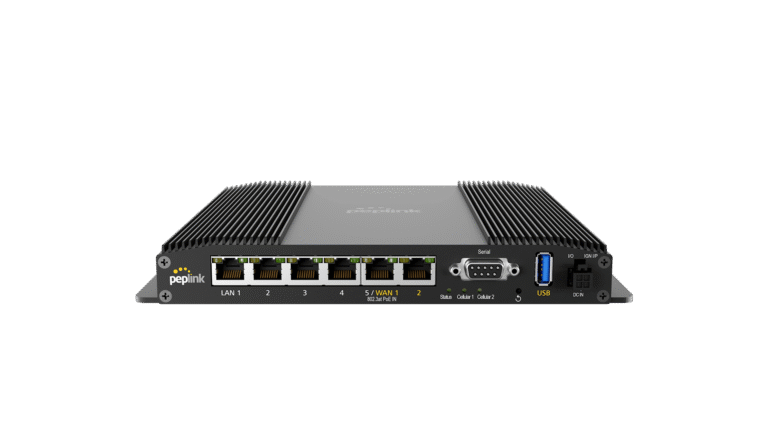
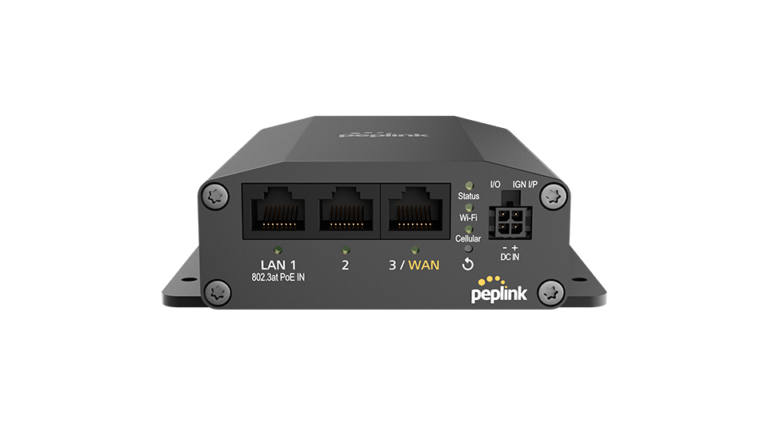
A satellite connection can provide an additional external access path for an OOBM design. The example Peplink with Starlink Business combines router technology with a Starlink terminal and a suitable plan with service. However, an additional WAN connection alone is not a complete OOBM design.
Example design: A separately connected management router provides access over the satellite path to a management network separated from the production network. This network reaches the required management interfaces or, where necessary, a console server for serial console access. Remote access must be authenticated and encrypted, for example through an appropriately secured VPN. Access permissions, multi-factor authentication and separation from user traffic must be defined in the security design. Exposing a web interface to the public internet is not a substitute for this design.
Requirements and limitations: The path may remain usable when terrestrial connections fail, provided the terminal, management router, console server where needed and target devices have power, adequate satellite reception and an active plan with service are available, and the management interfaces remain reachable. Power-outage scenarios require appropriately designed backup power. The remote administrator and any required VPN endpoints or service endpoints must also remain reachable. Satellite outages, equipment failures or compromised management components can still prevent access. OOBM is intended for administration; backup internet for production traffic serves a different purpose and needs separate planning.
Strategic value
Relevance to critical infrastructure resilience
An appropriately planned and tested OOBM design can support the diagnosis and recovery of IT infrastructure. In the context of the NIS-2 Directive BSI explains appropriate, proportionate and effective risk management measures for entities in scope under section 30 of Germany’s BSI Act (BSIG). These include incident handling, business continuity and access control. A satellite path can reduce dependence on local terrestrial access routes, but alone it establishes neither geographical site redundancy nor NIS-2 or IT-Grundschutz compliance. Management separation, permissions and recovery procedures must be defined, documented and tested for the specific environment. OOBM replaces neither a comprehensive security design nor an assessment of which legal requirements apply.
Preparedness and operational communications
Division of responsibilities: wirelessmaxx and hypria
WirelessMaxx supports preparedness-oriented connectivity and resilience needs, for example those of hospitals, utilities and energy companies. Its sister company Hypria is intended to address operational needs of fire services, THW and other relief and emergency response organisations. Depending on requirements, a separate administration connection can form part of the relevant network design.
This division describes internal company and offering responsibilities. It is not an official classification of critical infrastructure sectors, a statutory protection priority or a judgement about the importance of emergency response organisations. Applicable obligations and specific requirements must be assessed separately according to activities, current law and any relevant thresholds. Further reading: IT-Grundschutz overview.
The right network solution for your project?
With connecting.works GO we start with your connection requirements. For an additional administration path, we discuss integration and prerequisites with your IT team. The scope of services and support are agreed for the specific solution; we offer Starlink terminals exclusively with a tariff and service.