NIS2 / KRITIS / IT resilience
Static IP and Always-On-IP: What is the difference?
An ordinary static public IP address is generally assigned to an internet connection. It does not automatically remain the same when switching to another connection. Here, Always-On-IP refers to a fixed public address at a central VPN endpoint through which traffic can also be routed when switching connections.
VPN
Check session continuity
Requirements: A fixed IP alone guarantees neither uninterrupted sessions nor permanent reachability. Session continuity depends on the architecture, configuration, tariff and applications. The router and remote VPN endpoint must have power and be reachable; at least one suitable internet path must remain available.
The problem with changing IP addresses
With conventional WAN failover the public IP address may change when switching to the backup connection. This can interrupt VPN tunnels or remote access. In the Always-On-IP architecture described here, internet traffic is routed through a VPN concentrator with a fixed public address. The externally visible address remains the same when switching connections, as long as this endpoint remains reachable at its assigned address via a remaining connection path.
When a fixed IP helps critical applications
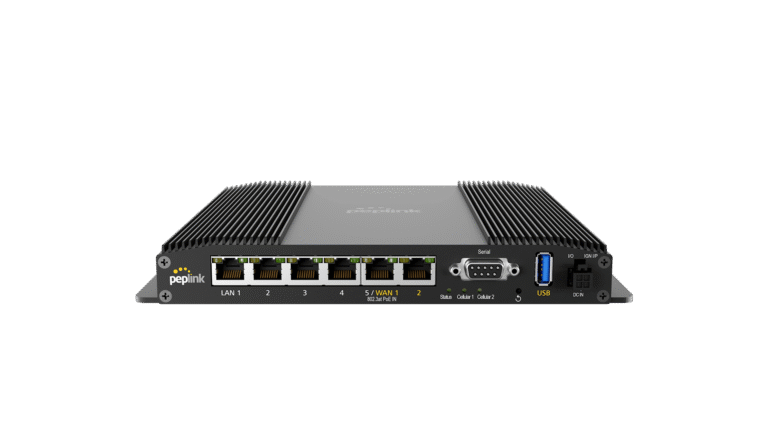
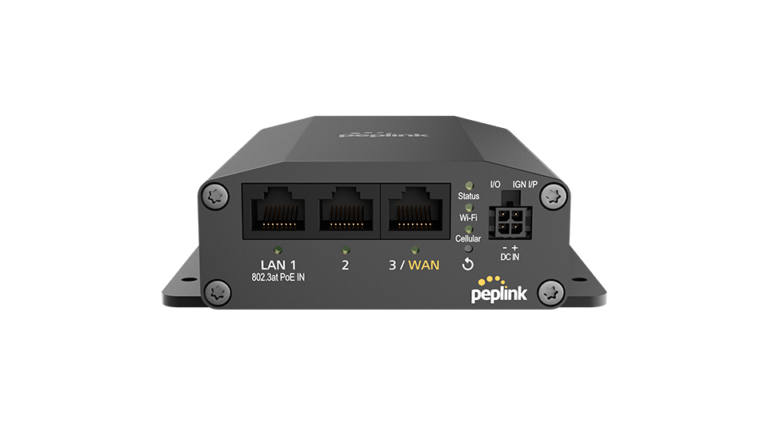
A fixed public IP can facilitate remote maintenance, IP allowlists and secure site-to-site connectivity. Starlink's standard IPv4 configuration uses Carrier-Grade NAT. A public IPv4 address is optionally available with Local and Global Priority, but is not truly static even with these tariffs; location changes or software updates can change the address. A suitably configured Peplink-SpeedFusion tunnel to a remote endpoint with a fixed public address can decouple addressing from the individual internet connection. Maintaining ongoing sessions is an additional function of the tunnel architecture: Seamless Session Persistence. wirelessmaxx supports precautionary connectivity and resilience needs, for example those of hospitals, utilities and the energy sector. Its sister company Hypria is intended to cover operational needs of fire services, THW and other aid and emergency response organisations. This division of services is not an official KRITIS classification and does not establish blanket fulfilment of legal requirements.
In practice at wirelessmaxx
At wirelessmaxx, the need for a fixed public IP is assessed as part of connectivity advice for connecting.works GO . Architecture, integration and the scope of support are agreed for the specific use case. Further reading: SD-WAN.